• +32 (0)56 432030
  • info@albertbrille.be

Info

Info

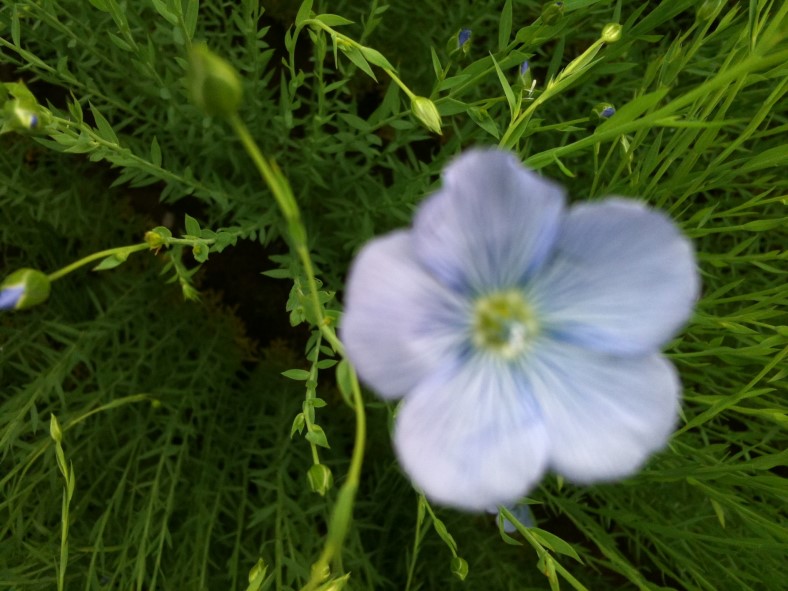
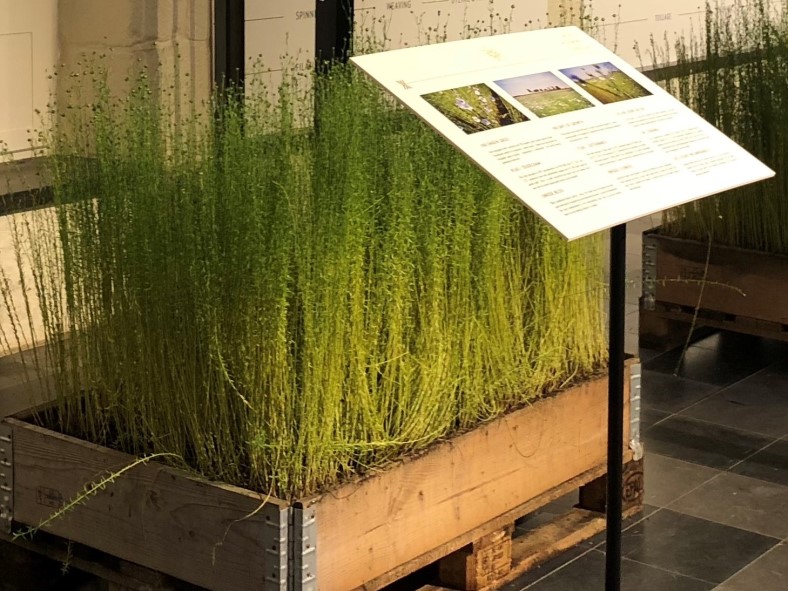
Flax is a one of the most difficult cultures, despite the weather circumstances of the traditional flax countries were considered as favorable. Not only weather circumstances, but also the composition of the ground, the used fertilizers, and the presence of knowledge and experience, influences the flax culture.

In order to be able to complete the crop in the best possible conditions, Brille has the latest generation of harvesting machines: flax pullers, returning machines, bale presses, rolling material , tractors ...). If harvesting is done at the right time, it influences the fiber quality in a positive way. A good follow-up of the retting process and a correct assessment of the risks is necessary in order to be able to harvest the straw flax in optimal conditions.

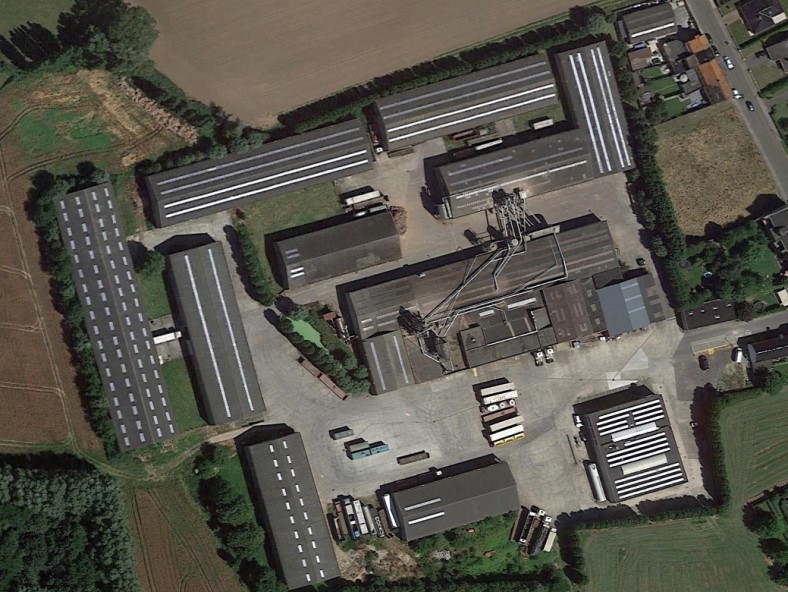
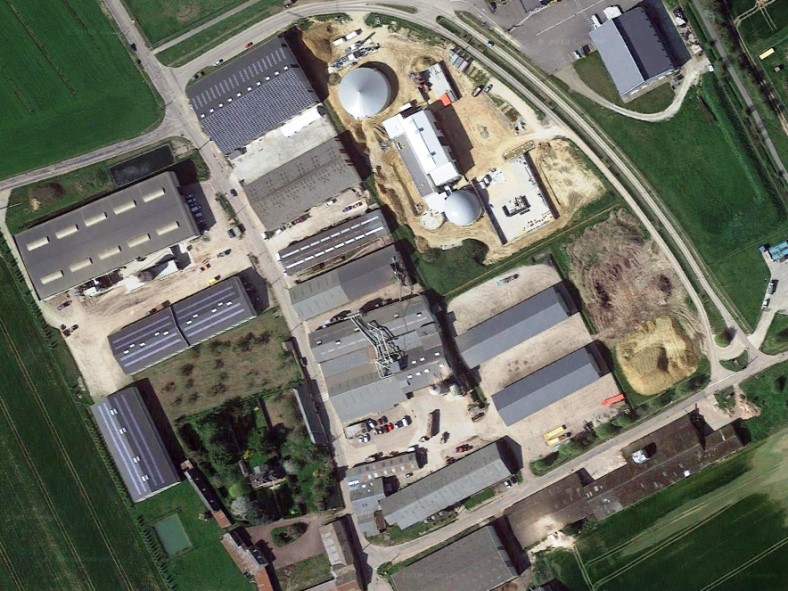
Today we’re having two scutching mills : one in Belgium (Wevelgem) and another in France (Le Neubourg). The capacity of our two scutching mills is more than 4.000 hectares, or about 35.000 tons of straw flax a year. In both factories we employ about 80 persons.

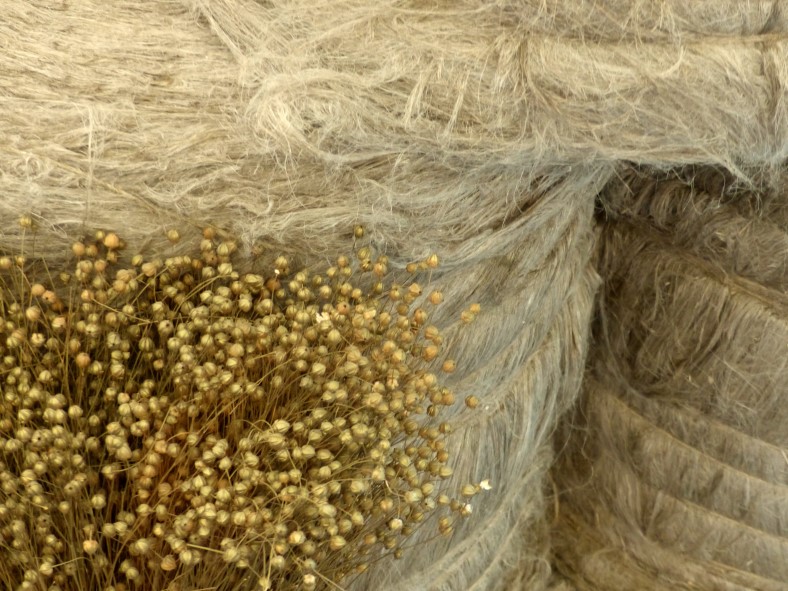
Besides scutching we're also active buying on the local market in Europe. Brille is selling more than 10.000 tons of scutched flax a year, and also more than 2.500 tons of scutched tow. Our products are exported all over the world.

Albert Brille sells scutched flax and the scutched tow with a certified label "EUROPEAN FLAX®". Flax fibers sold under the "EUROPEAN FLAX®" label deliver the basic raw materials to companies that have the MASTERS OF LINEN® label. This means that not only the origin of the goods is guaranteed, but also the quality. As a manufacturer of straw flax, we are well placed to monitor the quality of our products at all stages of the production process (growing, harvesting, scutching). All our activities are closely monitored by a team of qualified people, who are able to meet the high quality requirements of our customers at any time.

On this site you can find a lot of information about the growing and the scutching of the flax. You can also find a photobook about all of our activities.